Cost Breakdown: Common Plumbing Repairs & What to Expect
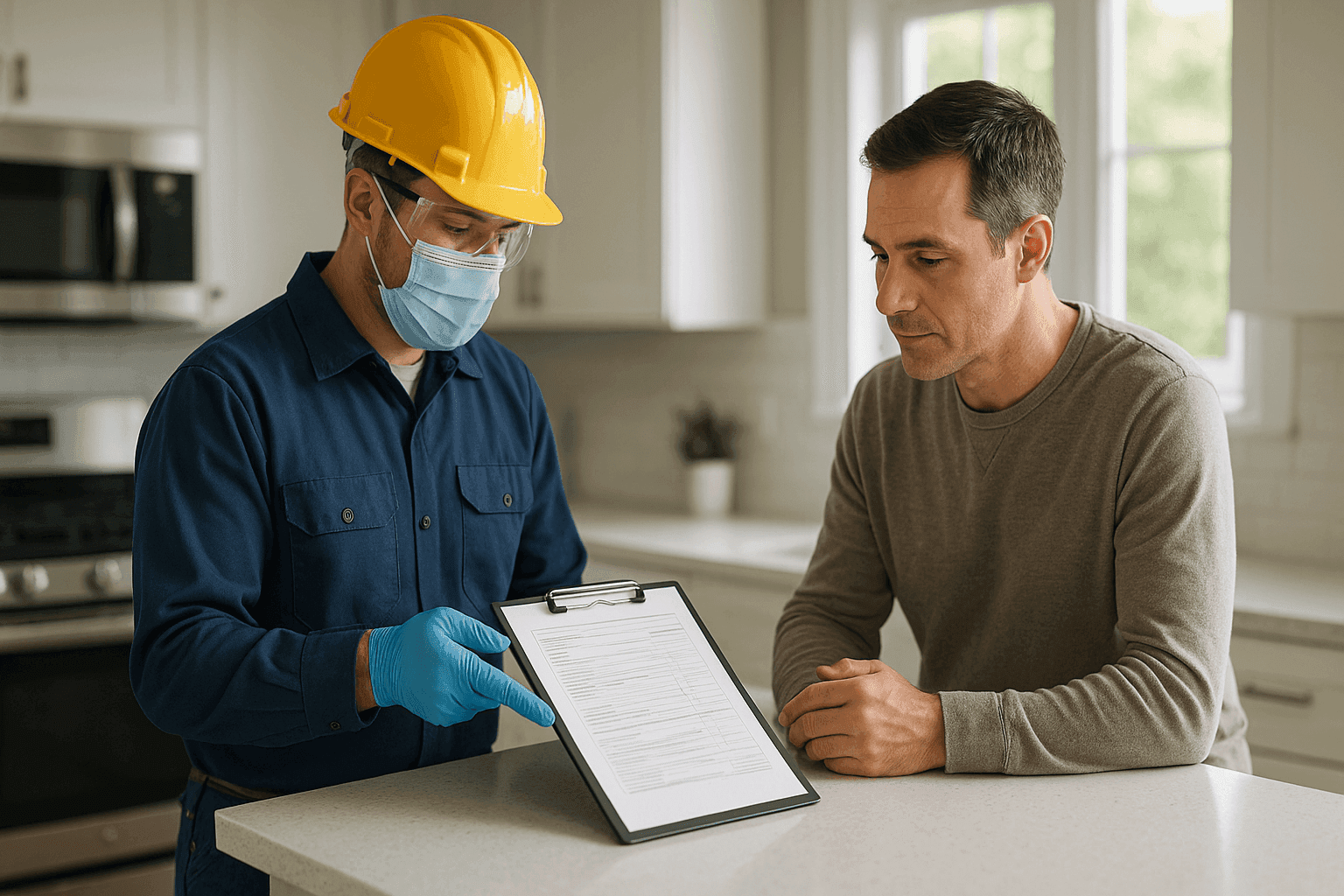
When water’s creeping across the floor or a pipe is hissing behind the wall, one question hits fast: What is this going to cost me? At F L A Plumbing, we know that dread. Repairs don’t wait for payday, and surprises are never welcome.
This guide pulls back the curtain on typical plumbing repair costs, why they swing up or down, and how to sidestep hidden fees. Whether it’s a midnight leak or a stubborn clog, understanding your bill before the work starts can mean the difference between stress and relief.
Plumbing Problems: What Homeowners Face Most
Plumbing issues can sneak up like a raccoon in the attic—quiet at first, then suddenly everywhere. For most homeowners, these are the repairs that show up uninvited:
- Leaky faucets or pipes: Small drips that add up to big bills.
- Clogged drains or toilets: Water that just won’t move.
- Water heater troubles: Cold showers at the worst time.
- Sump pump failures: Basements at risk during heavy rain.
- Burst pipes or repiping needs: Old pipes meet cold weather or pressure spikes.
Each repair has its own quirks, costs, and urgency. Emergency Plumbing near you often comes with surcharges, but sometimes you can wait—other times, not a chance.
Quick Safety Checklist Before You Call 🚨
A fast response can limit damage—and costs. Before you phone a plumber, run through this safety list:
- Shut off the main water valve if there’s flooding.
- Turn off electricity near standing water.
- Avoid using gas appliances if you smell gas or suspect a leak.
- Clear pets and kids from affected areas.
- Document the problem with photos, especially for insurance.
If you’re dealing with gas lines, water heaters, or sewer backups, call a professional right away. Don’t take chances—your home’s safety comes first.
DIY vs. Call a Pro: What’s Worth Trying?
It’s tempting to reach for the wrench. Some fixes are as simple as unscrewing a clogged P-trap or plunging a toilet. Others? Like playing chess with a blindfold.
DIY friendly:
- Unclogging a toilet with a plunger.
- Tightening a loose faucet handle.
- Replacing a showerhead.
Best left to pros:
- Major leaks inside walls.
- Sewer line backups.
- Gas line repairs.
- Whole-house repiping or water heater repairs.
Trying to save a few bucks sometimes leads to bigger bills. According to the International Association of Plumbing & Mechanical Officials (IAPMO), improper repairs can violate local code and void insurance. If you’re not sure, it’s safer (and often cheaper) to let a licensed plumber handle it.
DIY Costs vs. Professional Costs
- DIY: You might spend $10–$50 on parts, but risk damaging pipes or fixtures.
- Professional: Labor is the main cost, but it comes with experience—and code compliance.
- Emergency Plumbing near you: After-hours or urgent visits can add 25–100% to the bill.
What to Expect When the Pro Arrives
A good plumber walks in like a detective. Here’s what happens next:
- Assessment: They’ll ask you about the problem, inspect the affected area, and look for hidden causes.
- Written estimate: You should always get a clear, written price before work starts.
- Explanation: A trustworthy plumber explains what’s wrong and what it’ll take to fix it.
- Work: Repairs begin—sometimes parts need ordering, sometimes it’s a quick fix.
- Cleanup: No muddy boot prints or debris left behind.
Ask for updates if the job changes or takes longer than expected. Surprises are for birthday parties, not bills.
Prevention & Maintenance: Stop Problems Before They Start 🛠️
A little maintenance goes a long way—think of it as brushing your teeth for your pipes.
- Annual inspections: Catch small leaks before they’re big floods.
- Drain cleaning: Prevent slow drains from turning into full clogs.
- Water heater flushing: Extends life and improves efficiency.
- Backflow testing: Protects your water from contamination.
The Plumbing-Heating-Cooling Contractors Association (PHCC) recommends routine checks, especially in older homes. It’s easier (and cheaper) to maintain than repair.
Plumbing Costs & Time Factors: What Drives the Bill?
Not all repairs cost the same. Some are quick, while others take hours or even days. Here’s what affects your final price tag:
1. Labor
- Hourly rates: Vary by region and time of day. Emergency visits cost more.
- Complexity: Simple clogs take less time than repiping or sewer work.
2. Parts & Materials
- Quality counts: Brass, copper, and stainless steel cost more but last longer.
- Availability: Rare or specialty parts can add to the price.
3. Urgency & Timing
- After-hours: Nights, weekends, and holidays usually mean higher rates.
- Immediate danger: Flooding, gas leaks, or sewage backups are always urgent.
4. Access & Location
- Hard-to-reach pipes: Hidden behind walls or under concrete? Extra labor.
- Home age: Older homes may need code upgrades.
Typical Price Ranges (not exact quotes):
- Leaky faucet repair: $100–$350
- Drain cleaning: $120–$400
- Toilet repair: $120–$350
- Water heater repair: $200–$850
- Sump pump repair: $300–$700
- Sewer line repair: $1,000–$4,000+
- Repiping: $2,000–$10,000 (depends on size and materials)
Remember, every home is different. Always ask for a written estimate before work begins.
Avoiding Surprise Charges 💡
- Request a written estimate: Get details in writing—labor, parts, and any fees.
- Ask about overtime or emergency fees: Know the rate before you agree.
- Inquire about permits: Some jobs require city approval, which can add costs.
- Discuss warranty coverage: Some parts may have manufacturer warranties.
When It’s an Emergency: What to Expect
Water gushing where it shouldn’t? Sewage backing up? Some problems can’t wait for business hours.
- Call right away: Delaying can mean thousands in extra damage.
- Expect a higher rate: Emergency Plumbing near you costs more, but it’s worth it when time is critical.
- Document everything: For insurance claims, keep photos and repair receipts.
FAQ: Plumbing Repairs & Costs
How can I tell if I need a plumber or if I can fix it myself?
If water or gas is flowing where it shouldn’t, or you’re not sure about the cause, call a professional. Minor clogs and drips can sometimes be handled at home, but don’t risk it with major leaks or anything involving gas.
What if the estimate changes during the repair?
Sometimes a small issue hides a bigger problem. A reputable plumber will pause and explain any changes before continuing. Never let work proceed without your sign-off on new costs.
Are permits or inspections required?
Major jobs like repiping, gas line installation, or sewer work may need permits. Your plumber should handle this, following local building codes and safety guidelines.
How can I save money on plumbing repairs?
Regular maintenance helps prevent big problems. Catching issues early—like a slow drain or small leak—costs far less than waiting for a breakdown.
Local & Seasonal Considerations 🏠
Temperature swings, old pipes, and heavy rain all play a part. In cold climates, frozen pipes are a common winter emergency. In rainy seasons, sump pumps and sewer lines work overtime. If your home is older, corroded pipes or out-of-date valves may need attention sooner.
Keep an eye out for:
- Unusual noises: Banging or whistling pipes.
- Discolored water: Rust could mean old pipes.
- Slow drains: Could signal a bigger sewer issue.
The Uniform Plumbing Code (UPC) and local regulations are there for a reason. Following them keeps your family safe and prevents costly fines or repairs down the road.
Plumbing problems can feel overwhelming—but knowing what to expect takes away some of the stress. If you’re staring down a leak, a clog, or an icy shower, don’t wait.
Call F L A Plumbing now — or reach us anytime at 888-861-5904 .