Preventing Basement Floods: Sump Pump Maintenance Tips
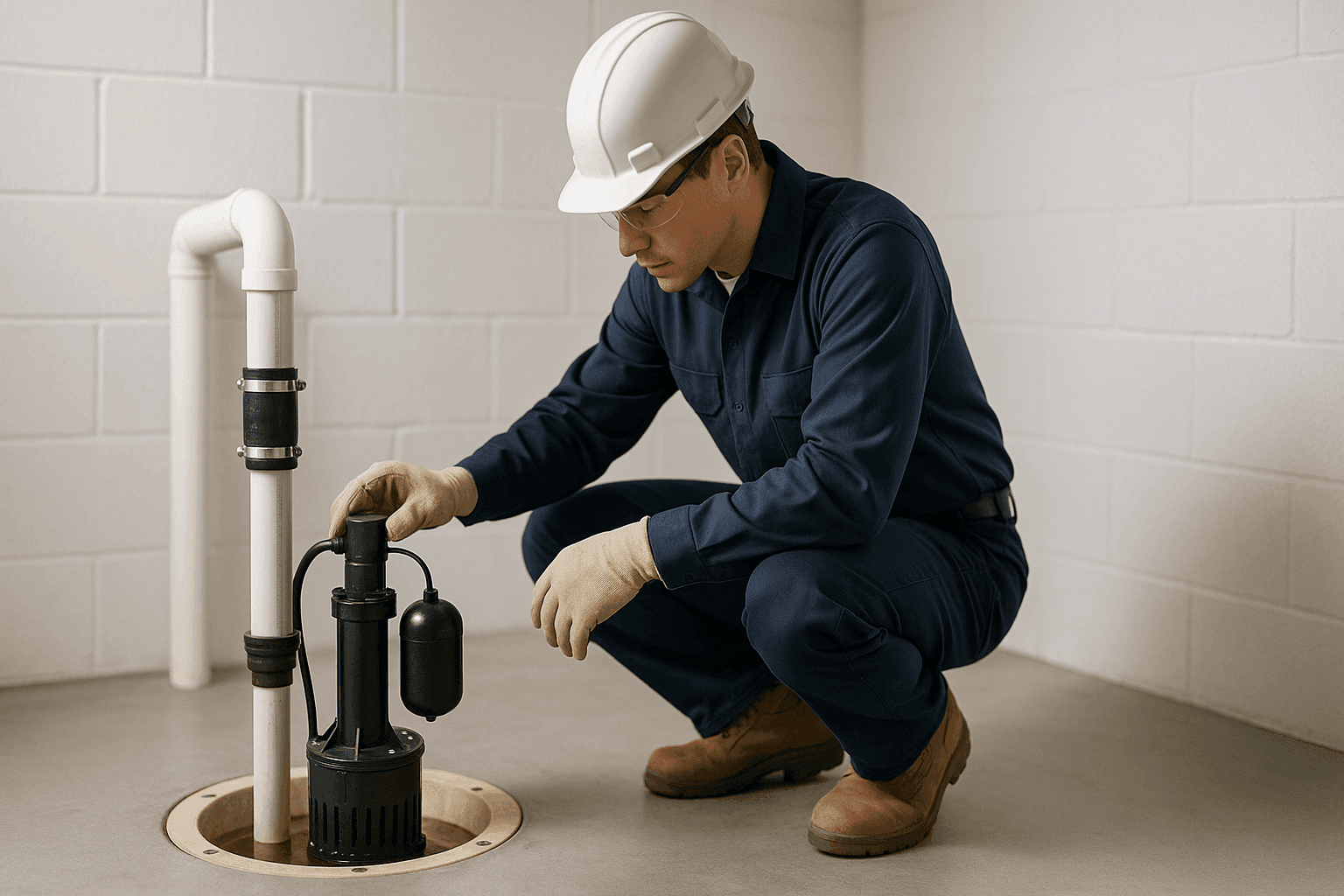
Basement floods are like a sudden thunderstorm on a sunny day—unexpected, messy, and expensive. If you’ve ever walked downstairs to find your socks soaked, you know exactly how stressful water damage can be. At F L A Plumbing, we help homeowners regain peace of mind, one dry basement at a time.
Your sump pump is the unsung hero of your home’s plumbing. It quietly keeps water at bay, working around the clock so you don’t have to. But even heroes need a little attention. Regular maintenance is the secret to avoiding surprise emergencies—and costly repairs.
Understanding Sump Pump Basics ⚙️
Think of your sump pump as your home’s bouncer. It stands guard in the lowest part of your basement, ready to expel intruding water before it has a chance to settle in. Here’s what every homeowner should know:
- What it does: Collects and pumps groundwater out, keeping your basement dry.
- Where it lives: Usually in a pit (the sump basin) at your basement’s lowest spot.
- Why it matters: Even a small failure can lead to inches of water, ruined floors, and mold.
If your home is prone to flooding, or you live in an area with high water tables, a sump pump is essential plumbing protection.
Routine Cleaning and Testing
Just like you wouldn’t run your car without ever checking the oil, your sump pump needs regular checkups. Simple routines can make a huge difference:
- Test the pump: Pour a bucket of water into the sump pit. The pump should kick on and drain the water quickly.
- Clean the pit: Remove debris, dirt, and any objects that could clog the system.
- Inspect the discharge line: Ensure it’s clear and pointed away from your home’s foundation.
- Wipe down the pump: A clean pump is a happy pump.
Set a reminder every few months—especially before rainy seasons.
Seasonal Checks: Before Heavy Rains or Snow Melts 🌧️
Seasons change, and so do your sump pump’s needs. Spring thaws and summer storms are prime times for trouble. Give your pump extra attention in these moments:
- Check power sources: Make sure the pump is plugged in and the cord is in good condition.
- Look for rust or corrosion: These are warning signs your pump needs servicing.
- Test backup systems: If you have a battery backup, now’s the time to make sure it’s charged.
Reviewing your system before the first big rain or after winter’s last freeze is as important as checking your smoke detectors.
Signs Your Sump Pump Needs Attention
A healthy sump pump is almost invisible. If you notice these symptoms, it’s time to act:
- Strange noises: Grinding, rattling, or humming could mean worn-out parts.
- Constant running: The float switch might be stuck or faulty.
- No water in the pit: The pump could be running dry, a sign of improper installation.
- Slow drainage: Could mean a clog or failing pump.
Ignoring these signs is like ignoring a rattling under your car’s hood. It won’t fix itself.
Battery Backups: Extra Security for Stormy Nights
Power outages and storms go hand in hand. A battery backup sump pump is your insurance policy against both.
- Why it matters: When the lights go out, your primary pump stops—unless you have a backup.
- How it works: Runs on battery when the main power fails, keeping water moving.
- Maintenance: Test batteries twice a year and replace them every 2–3 years.
Alarm Systems: Your Basement’s Early Warning
A sump pump alarm is like a smoke detector for water. It lets you know if the water rises above safe levels.
- Simple installation: Most alarms attach right to the sump pit.
- Instant alerts: Get notified before water spills onto your floor.
Don’t wait until your feet feel wet to find out there’s a problem.
What To Do If Your Pump Fails During a Storm
Sometimes, despite your best efforts, your pump calls it quits during the worst possible moment. Here’s what to do:
- Unplug the pump: If it’s making strange noises or smells burnt, disconnect it.
- Remove standing water: Use a wet/dry vacuum or buckets to minimize damage.
- Call Emergency Plumbing near you: Fast action limits water damage and mold.
- Document the damage: Take photos for insurance.
Having F L A Plumbing’s number handy is your best backup plan.
The Value of Professional Inspections 🛠️
DIY checks are great, but nothing replaces a professional inspection. Licensed plumbers check for:
- Hidden clogs and buildup in discharge lines
- Faulty float switches and worn-out parts
- Proper installation and code compliance (see National Plumbing Code)
- Early signs of failure you might miss
Annual inspections keep your sump pump reliable and can even extend its life. Think of it as a yearly health check-up for your home.
DIY vs. Call a Pro
Some maintenance is simple—like testing the pump or cleaning the pit. But for repairs, installations, or electrical issues, calling a licensed plumber is the safest move.
DIY tasks:
- Pouring water to test the pump
- Cleaning debris from the pit
- Checking the power cord
Call a pro for:
- Electrical issues or tripped breakers
- Persistent noise, vibration, or leaks
- Replacing pumps or installing backups
- Annual inspections and code checks
If in doubt, put safety first.
What Pros Do On Arrival
When you call in plumbing help, here’s what to expect:
- Inspect the sump pump, pit, and discharge line
- Test electrical connections and float switches
- Check for backflow risks and install prevention devices if needed
- Recommend repairs or replacement if parts are worn or outdated
A pro brings experience and tools you probably don’t have at home. They’ll spot trouble before it turns into a flood.
Prevention & Maintenance Tips 🧰
Stop problems before they start with these habits:
- Monthly: Test the pump and check for debris.
- Quarterly: Clean the pit and discharge line.
- Annually: Schedule a professional inspection.
- After storms: Double-check everything is dry and running smoothly.
Install a battery backup and alarm system for extra peace of mind.
Costs & Time Factors
Worried about the bottom line? Here’s what to expect:
- Time: Testing or cleaning takes about 30 minutes. Full inspections may take an hour.
- Costs: Replacing a pump is more costly than routine maintenance. Budget for annual checkups and occasional part replacements.
Preventative care is always cheaper than emergency repairs or water damage restoration.
When It’s an Emergency
If your basement is flooding, every minute counts:
- Shut off power to the affected area if safe.
- Remove valuables and electronics from the floor.
- Call for Emergency Plumbing near you.
- Document damage for your insurance company.
A plumbing emergency isn’t just inconvenient—it can threaten your health and your home’s structure. Fast action makes all the difference.
FAQ: Sump Pump Smarts
How often should I test my sump pump?
Test every few months, especially before rainy seasons.
How long do sump pumps last?
Most last 7–10 years with good maintenance. Replace sooner if you notice problems.
Can I install a backup system myself?
Some battery backups are DIY-friendly, but professional installation ensures reliability.
Is sump pump maintenance required by code?
Many local building codes (see your municipality or the International Residential Code) require sump pumps in certain situations, and maintenance is essential for compliance.
Local & Seasonal Considerations 🌦️
Rainy springs, summer storms, and winter thaws all spell trouble for basements. If you’re in an area with a high water table or heavy precipitation, be extra vigilant. Adjust your maintenance schedule to fit your local climate, and always review your pump before seasons change.
Final Thoughts
A dry basement is more than comfort—it’s peace of mind. Your sump pump works silently, but it deserves your attention. Regular maintenance saves money, prevents stress, and keeps your home safe.
If you notice unusual noises, slow drainage, or signs of trouble, don’t wait. The best time to fix a problem is before the water rises.
Call F L A Plumbing now — or reach us anytime at 888-861-5904 .