Emergency Plumbing: What to Do Before Help Arrives
You hear it: a sudden gush, the sound of water hitting the floor where it shouldn’t. Your heart drops. Plumbing emergencies don’t knock—they barge in, often at the worst times. If you’re standing ankle-deep in water or staring at a leaking ceiling, you’re not alone. Every year, thousands of homeowners face urgent plumbing situations.
At F L A Plumbing, we've helped countless families spring into action before our team arrives. Knowing what to do in those first critical minutes can save you money, stress, and your home itself.
Recognizing a True Plumbing Emergency 🚨
Not every drip or slow drain spells disaster. Still, certain situations demand immediate attention—before water damage spreads like a spilled cup of coffee across your favorite tablecloth.
Common plumbing emergencies include:
- Burst pipes (water spraying uncontrollably)
- Overflowing toilets or drains
- Sewage backups (foul smells, gurgling, visible waste)
- Gas leaks (rotten egg odor, hissing sound)
- Sudden loss of water pressure (could indicate a major leak)
- Water heater leaks or noises (risk of scalding, flooding)
- No hot water during freezing temperatures
If you notice:
- Water pooling where it shouldn’t
- Moldy smells or wet spots on walls/ceilings
- Gurgling, bubbling, or slow-moving drains
Treat these as urgent. Even a small leak can turn into a big repair if ignored.
Quick Safety Checklist: Protect Your Home & Family
First things first. Safety beats speed. Before you try to DIY or grab a mop, follow this checklist:
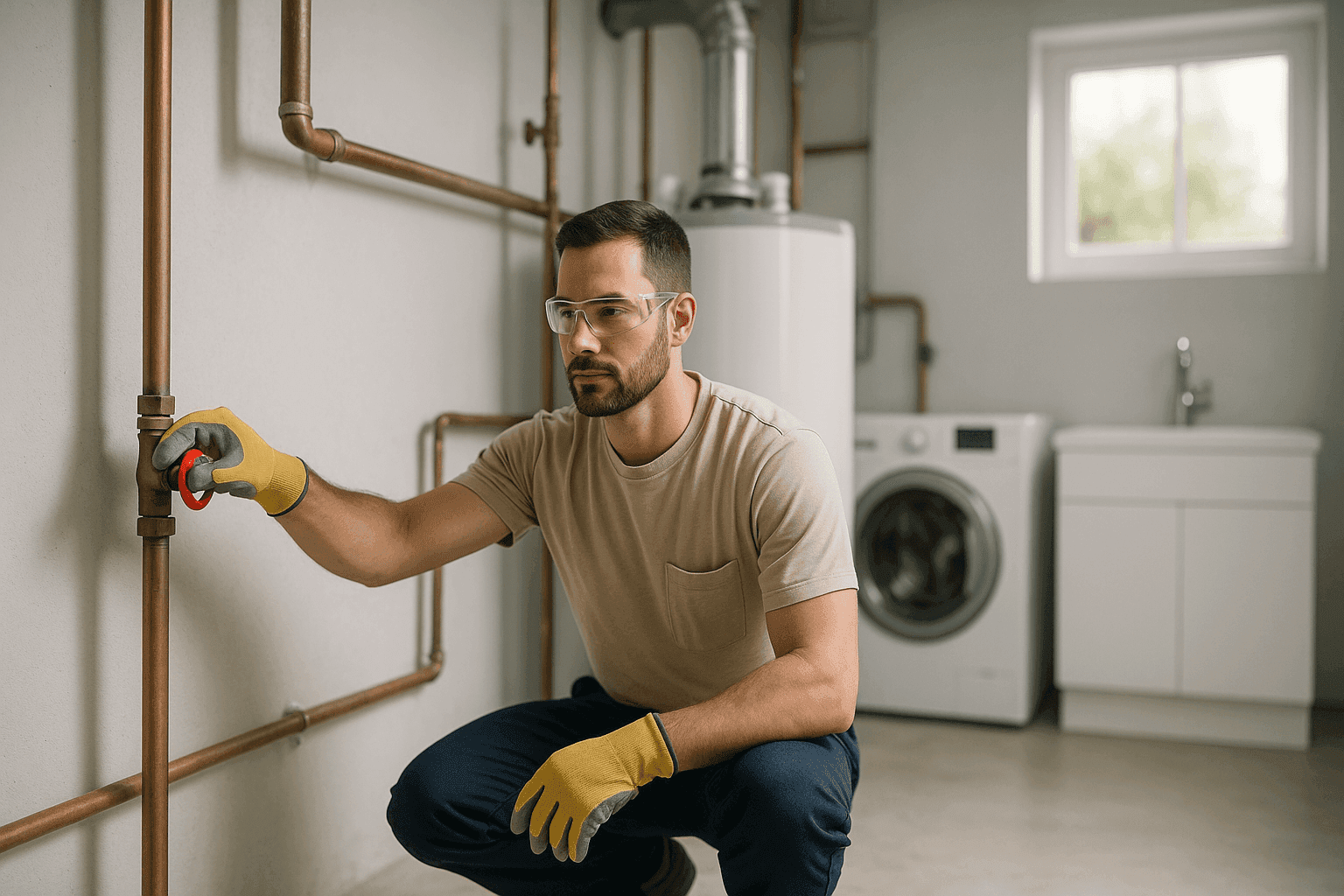
- Turn off the water supply.
Find your main shut-off valve (often in the basement, crawlspace, or outside wall). Turn it clockwise until tight. This stops most leaks in their tracks. - Shut off electricity near water.
If water is near outlets or appliances, turn off power at the breaker. Water and electricity mix like oil and fire—never risk it. - Move valuables out of harm’s way.
Lift rugs, electronics, and furniture away from water. - Ventilate if safe.
Open windows if you’re dealing with gas smells or sewer backups. Leave the building if the odor is strong—you might need to call emergency services. - Keep kids and pets clear.
Curious hands and paws shouldn’t be near standing water or exposed wires.
Remember, your safety comes first. If you’re unsure or feel threatened, leave and call for help.
DIY vs. Call a Pro: When to Tackle, When to Wait
It’s tempting to play hero. But plumbing is like an iceberg—most of the danger is below the surface.
Safe actions you can take:
- Catch dripping water in buckets or towels.
- Use plumber’s tape or a rag to temporarily wrap a small leak (never a permanent fix).
- Plunge a clogged toilet, but stop if water keeps rising.
Never attempt:
- Gas line repairs or anything involving the gas meter.
- Major pipe work (cutting, soldering, or replacing pipes).
- Electrical work near wet areas.
For serious leaks, sewage backups, or gas smells—always wait for a licensed plumber. F L A Plumbing technicians are trained, insured, and follow state plumbing and building codes (see International Plumbing Code and local regulations).
What Pros Do On Arrival
When our team arrives, we move fast and methodically. Here’s what you can expect:
- Assessment: We inspect the damage, check for hidden leaks, and test for safety hazards.
- Containment: Our plumbers isolate the problem area to prevent further water or gas spread.
- Repair: We use professional-grade tools and materials—far beyond what’s available at hardware stores.
- Testing: After repairs, we run safety checks (water pressure, backflow, gas safety) to ensure your home is secure.
We’ll also explain what happened, what caused it, and how to prevent it next time.
Temporary Fixes While You Wait
Here are safe stopgaps, not long-term solutions:
- Tighten loose fittings by hand. Don’t overdo it—cranking too hard can crack pipes.
- Wrap small leaks with a dry towel, then tape firmly.
- Use a bucket or pan to catch drips under sinks or water heaters.
- Shut off appliance valves (like under-sink or toilet valves) if you can’t access the main line.
Never use chemical drain cleaners during an emergency. They can make repairs harder and damage your pipes.
Documenting Damage for Insurance
In the midst of chaos, your phone is a powerful ally.
- Take clear photos or videos of leaks, water damage, and affected belongings.
- Note the time, date, and what you did before/after the incident.
- Keep all receipts for repairs, cleanup, and temporary lodging if needed.
Insurance companies often require detailed records to process claims. The more you document, the smoother your path to reimbursement.
Prevention & Maintenance: Stay Ready
Plumbing emergencies are like storms—unpredictable, but not always a surprise. Regular checks can keep you ahead.
Simple routines:
- Inspect pipes under sinks for moisture or corrosion.
- Test sump pumps every few months (pour water into the pit and watch it cycle).
- Schedule annual backflow and gas safety checks.
- Clear gutters and downspouts to direct water away from the foundation.
F L A Plumbing offers preventative maintenance for peace of mind. But even on your own, a few minutes each month can spot trouble early.
Costs & Time Factors: What to Expect
Plumbing emergencies don’t just cost peace of mind—they can hit your wallet, too.
Things that affect costs and repair time:
- Severity: A small leak is faster (and cheaper) to fix than a burst pipe or sewer backup.
- Access: Hidden pipes behind walls or under slabs mean more time and labor.
- Parts needed: Emergency parts runs or specialty equipment can add time.
- Time of day: Night or weekend calls might cost more.
Most urgent repairs are resolved within a few hours, though cleanup and restoration (like drying floors, replacing drywall) can take longer.
When It’s an Emergency (and When It’s Not) 🛑
Sometimes, a plumbing issue feels urgent—but isn’t. Here’s how to tell:
Emergency:
- Major leaks, flooding, or sewage backup
- No water or hot water in freezing weather
- Gas leaks or strong sewer smells
- Overflowing toilets that won’t stop
Not urgent (but still important):
- Slow drains
- Dripping faucets
- Minor leaks with no risk of damage
When in doubt, call F L A Plumbing. We’ll help you decide how quickly you need a technician.
FAQ: Your Emergency Plumbing Questions
How do I find my main water shut-off valve?
Usually near the perimeter of your house—basement, crawlspace, or outside wall. It looks like a round or lever-style valve. Turn it clockwise to close.
What if I can’t stop the leak?
Turn off water at the main valve, move valuables, and wait for the plumber. If water is still flowing, leave the house and call for help.
Is it safe to use the water after a pipe bursts?
No. Wait for a plumber to inspect for contamination and repairs before using water.
Should I try to fix a gas leak myself?
Never. Leave the area immediately and call 911 or your gas provider, then a plumber for repairs.
Local and Seasonal Considerations
Plumbing emergencies don’t follow the calendar—but weather and local factors matter.
- Freezing temperatures: Pipes can burst if not insulated. Open cabinet doors to let warm air circulate in cold snaps.
- Storms and heavy rain: Sump pumps and sewer lines work overtime. Make sure yours is serviced before storm season.
- High water tables: If your area floods, check basement plumbing and sump pumps regularly.
Know your home’s quirks. If you’ve had issues before, keep F L A Plumbing’s number handy.
A plumbing emergency is stressful—but you’re not powerless. Acting fast, staying safe, and calling for professional help can make all the difference.
Call F L A Plumbing now — or reach us anytime at 888-861-5904 .