Choosing the Right Water Heater: Repair vs. Replace Guide
When the shower goes cold or a puddle appears around your water heater, that sinking feeling is real. You count on hot water for everything—showers, dishes, laundry. When it stops working, there’s pressure to fix it fast.
At F L A Plumbing, we understand how disruptive water heater trouble can be. You want reliable answers, not guesswork. This guide walks you through repair vs. replace decisions—clear, practical, and based on real-world plumbing experience.
Common Water Heater Problems: What’s Really Going On? 🛠️
If your water heater is acting up, you’re not alone. Most homeowners will face at least one of these issues:
- No Hot Water: The tank’s full but the water’s ice-cold. This could be a failed heating element, thermostat, or a gas pilot light gone out.
- Strange Noises: Rumbling, popping, or banging sounds often mean sediment has built up inside the tank.
- Leaks: A small drip or a growing puddle signals trouble. Corrosion, faulty valves, or loose connections are common culprits.
- Rusty or Discolored Water: Brownish water usually means corrosion inside the tank or pipes.
- Fluctuating Water Temperature: Inconsistent heat can point to worn-out thermostats or elements.
Think of your water heater like the engine in your car. When it starts making new noises or leaks, ignoring it can lead to bigger, more expensive problems down the road.
Quick Safety Checklist Before You Touch Anything
Safety first. Water heaters combine electricity or gas with pressurized hot water—never a mix to take lightly.
- Turn off the power: For electric units, switch off the breaker. For gas, twist the gas valve to “off.”
- Shut the water supply: Turn the cold water inlet valve clockwise.
- Check for gas smells: If you smell gas, leave the area immediately and call your gas company.
- Wait for the tank to cool: Hot water (and steam) can burn.
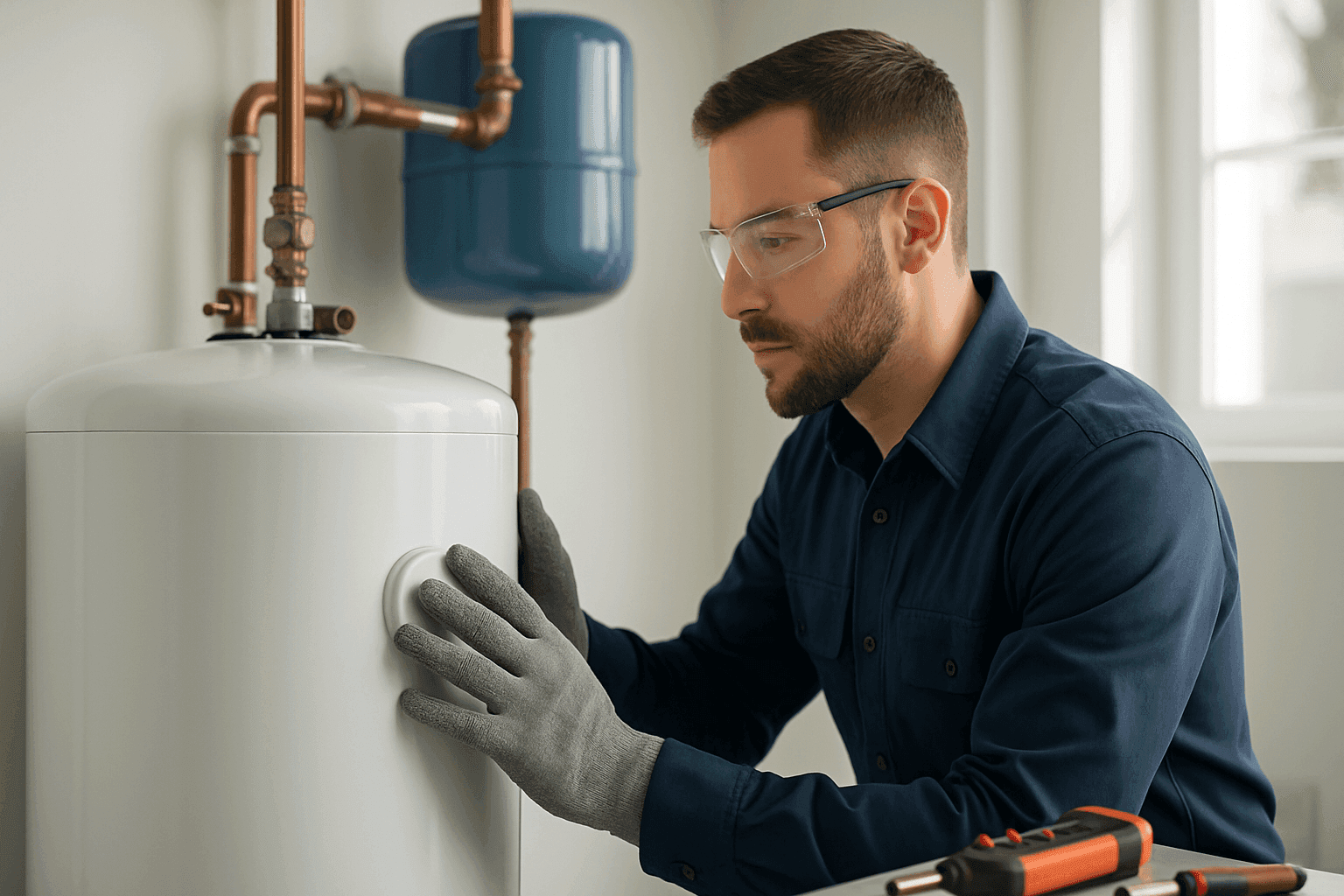
- Wear gloves and eye protection: Even a small leak can spray scalding water.
If you’re ever unsure, step away and call a professional. Safety codes are there for a reason—see the National Fire Protection Association (NFPA) or local building codes for guidance.
DIY vs. Call a Pro: Where to Draw the Line
Some water heater issues are simple fixes. Others? Not so much.
DIY-friendly tasks:
- Relighting a gas pilot light (if you know how)
- Resetting a tripped breaker or thermostat
- Tightening a loose connection
But call for plumbing help if you see:
- Leaks from the tank itself (not just a fitting)
- Rusty water or visible corrosion
- Repeated loss of hot water
- Electrical smells or circuit breaker trips
- Gas odor, pilot won’t stay lit, or water pooling near the base
Water heaters are under pressure. Repairs done wrong can cause property damage or safety hazards. If you’re hesitating, it’s time to get a professional from F L A Plumbing or another licensed provider. Emergency Plumbing near you is just a call away.
What Pros Do On Arrival
When a qualified plumber arrives, they don’t just guess. Here’s how F L A Plumbing evaluates your water heater:
- Inspection: We check the tank, connections, shutoffs, and temperature/pressure relief valve.
- Testing: Using electrical meters or gas sniffer tools, we test elements, thermostats, and gas flow.
- Assessing Age: We read the serial number—most manufacturers print the date right on the label.
- Checking for Code Compliance: All repairs must meet local and national standards (see International Plumbing Code).
- Evaluating Efficiency: Older tanks waste more energy. We compare your current unit’s performance against modern standards set by ENERGY STAR®.
Our goal? Give you the facts so you can make a smart, cost-effective decision.
How Long Should a Water Heater Last?
Every water heater has a lifespan, just like a car or refrigerator.
- Tank water heaters (gas or electric): 8–12 years is typical.
- Tankless water heaters: 15–20 years with proper care.
If your heater is near or past its expected lifespan—and repairs are piling up—it’s time to consider a replacement.
Cost Comparison: Repair or Replace?
Let’s break it down:
Repair costs depend on the part:
- Heating element or thermostat: Lower cost, quick fix
- Pressure relief valve or anode rod: Moderate
- Tank leak or severe corrosion: High, often not worth it
Replacement costs are higher up front, but you get:
- Improved energy efficiency (lower utility bills)
- Warranty protection
- Peace of mind—no surprise cold showers
If the repair cost approaches 50% of a new unit’s price—or your heater is over 10 years old—replacement is usually the smarter call.
Maintenance Tips to Extend Water Heater Lifespan
Want your water heater to go the distance? Try these:
- Flush the tank yearly: Sediment build-up causes noise, lowers efficiency, and can lead to rust.
- Test the pressure relief valve: Open and close it every 6 months to ensure it works.
- Inspect for leaks: Small leaks can turn into big problems.
- Check the anode rod: This “sacrificial rod” prevents rust. Replace it every few years.
- Keep the area clear: No storage around the heater—airflow matters.
For tankless units, follow manufacturer instructions for descaling and maintenance.
Environmental Considerations: Upgrading to a New Heater
Today’s water heaters are far more efficient than models from a decade ago. Upgrading reduces your carbon footprint, lowers bills, and often qualifies for rebates (check ENERGY STAR® or local utility programs).
- High-efficiency gas and electric units use less energy.
- Tankless models heat water on demand—no standby losses.
- Heat pump water heaters draw heat from the air, cutting energy use by up to 60%.
Replacing an old heater is about more than comfort. It’s a smart move for your wallet and the planet.
When It’s an Emergency 🚨
Hot water flooding your basement at 2 a.m.? That’s an emergency.
Call for Emergency Plumbing near you if:
- Water is gushing or pooling rapidly
- Gas is leaking (rotten egg smell)
- Electrical panel is wet or sparking
- You’re without hot water in freezing weather
Quick action can prevent mold, structural damage, and even electrical fires. Keep F L A Plumbing’s number handy for fast response.
FAQ: Water Heater Repair vs. Replacement
How do I know if my water heater is too old to repair?
If it’s over 10 years (tank) or 15 years (tankless), and repairs are frequent, replacement is usually best.
My heater is leaking—can it be fixed, or do I need a new one?
Leaks from fittings or valves can often be repaired. If the tank itself is leaking, replacement is necessary.
Will a new water heater save money?
Yes—modern units are much more efficient, lowering your utility bills and often paying for themselves over time.
Are there any safety codes I should know about?
Absolutely. All installations must meet the International Plumbing Code and local safety standards. A licensed plumber makes sure your unit is safe and legal.
Local and Seasonal Considerations
Cold snaps can stress older heaters—especially in unheated basements or garages. Insulate pipes and water heaters in winter to prevent freezing. In humid climates, watch for rust and corrosion.
If you’re planning renovations, consider upsizing your water heater for growing families or future needs. F L A Plumbing can help you choose the right model for your home’s demands.
Is your water heater making you guess? Don’t wait for a cold shower or a flooded basement.
Call F L A Plumbing now — or reach us anytime at 888-861-5904 .