Emergency Plumbing: What Homeowners Should Do Before Help Arrives
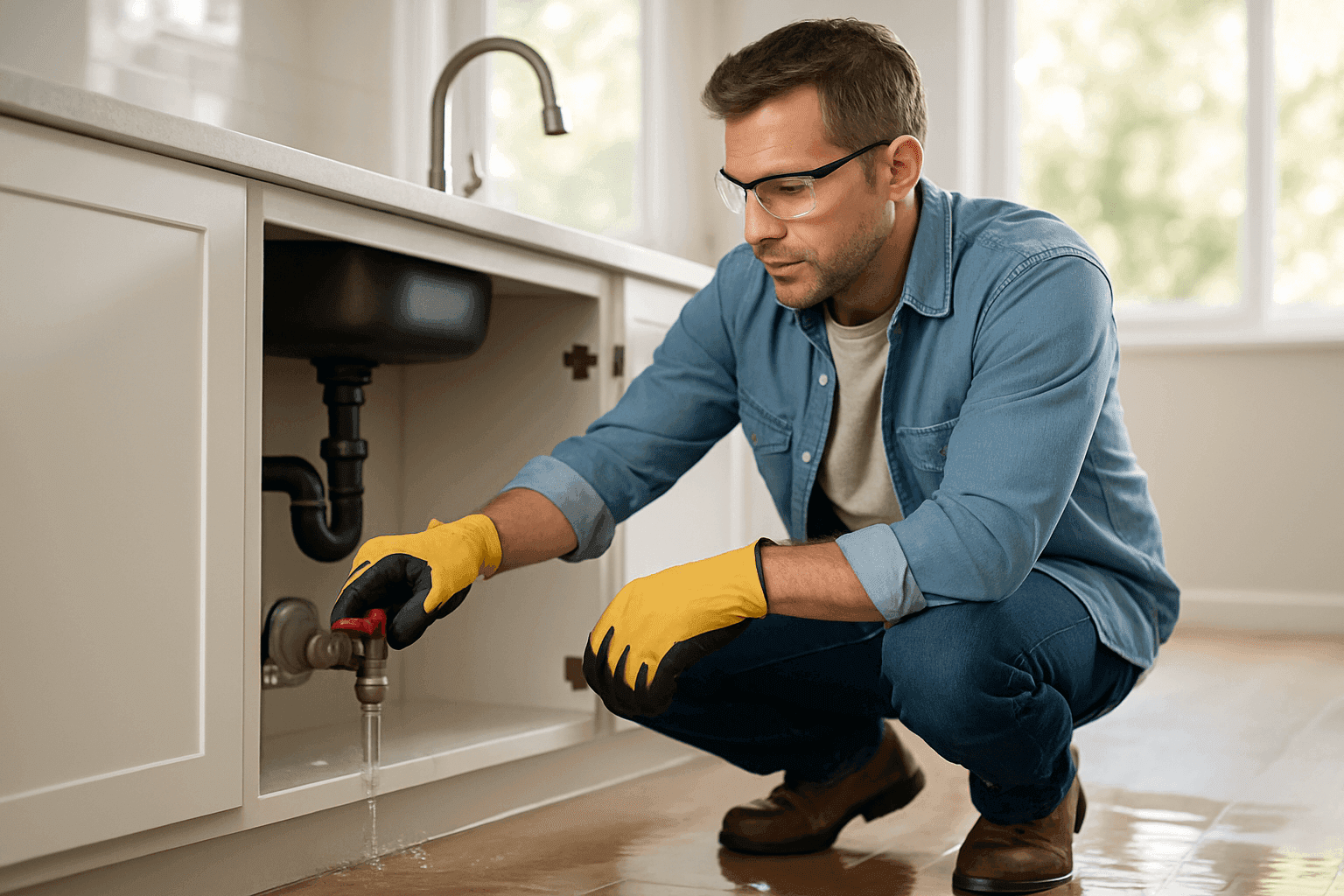
When water is gushing, toilets are overflowing, or something smells like gas, every second counts. Plumbing emergencies can turn calm evenings into high-stress situations in an instant. At F L A Plumbing, we know that frozen pipes, sudden leaks, and major clogs don’t wait for business hours—and neither should your peace of mind.
You don’t have to be a plumbing expert. With a little know-how and a cool head, you can limit damage and keep your family safe until professional help arrives. Here’s your go-to guide for those first urgent moments.
Recognizing a Plumbing Emergency 🚨
Not every drip or clog is an emergency—but some problems can spiral quickly. Here’s how to spot the difference:
- Burst pipes: Water shooting or pooling fast, especially after a freeze.
- Major leaks: Water pouring from ceilings, walls, or under sinks.
- Overflowing toilets: Water rising and spilling onto the floor, especially if it won’t stop.
- Sewer backups: Foul odors, gurgling drains, or water coming up from the tub or floor.
- Gas leaks: Smell of rotten eggs, hissing sounds near gas lines or appliances.
- No water: Total loss of water in the home, especially in winter (could signal frozen pipes).
If your gut says, “This is bad,” trust it. Small leaks can wait a day. Gushing water, sewage, or gas can’t.
Immediate Actions to Take
Think of a plumbing emergency like a race against the clock. Quick action can save you thousands in repairs and protect your home. Here’s what to do, step by step:
1. Shut Off the Water
- Main water valve: Locate it (usually in the basement, crawl space, or outside). Turn clockwise to close.
- Fixture shutoffs: For sinks, toilets, or appliances, use the small valve nearby.
If you’re not sure where these are, make it a weekend project to find them—before you need them.
2. Contain the Leak
- Use buckets, towels, or pots to catch drips.
- Move furniture, electronics, and valuables away from water’s path.
- For small pipe leaks, wrap with rags or duct tape as a temporary fix.
3. Turn Off Electricity (If Safe)
- If water is near outlets or electrical panels, shut off power at the breaker. Never touch electrical items if they’re wet or standing in water.
4. Ventilate the Area
- Open windows if you smell gas or sewage. This helps keep air safe while you wait.
5. Call Emergency Plumbing Near You
- As soon as you’ve done the basics, call F L A Plumbing. Give details: what happened, where, and if there are children, elderly, or special needs in the home.
Safety Precautions for Homeowners
Safety comes first—always. Water and electricity mix as badly as oil and fire. Here’s how to keep everyone safe:
- Avoid standing water: Especially if you can’t see the floor or suspect electrical hazards.
- Don’t use gas appliances: If you smell gas, leave the house and call emergency services.
- Keep kids and pets away: Block off wet or hazardous areas.
- Wear shoes: Wet floors can be slippery and may hide sharp objects.
Refer to local building codes and National Fire Protection Association (NFPA) guidelines for home safety standards.
What Not to Do
In a panic, it’s easy to make things worse. Here’s what to avoid:
- Don’t use chemical drain cleaners: They rarely work on major clogs and can damage pipes.
- Don’t ignore a slow drip that just became a stream: Small leaks can turn big, fast.
- Don’t try to thaw frozen pipes with an open flame: Use gentle heat (hair dryer) instead, or leave it to the pros.
- Don’t open the sewer cleanout yourself: Raw sewage is dangerous—leave this to professionals.
- Don’t force broken valves: If a shutoff won’t budge, don’t risk a break. Wait for help.
When to Call a Professional
Some jobs are too risky for DIY. If you run into any of these, don’t wait:
- Burst pipes or major leaks that won’t stop
- Sewage backups or foul odors
- Gas smells or hissing sounds
- No water in the whole house
- Water heater leaks, banging, or no hot water
Plumbing codes (such as the International Plumbing Code) require licensed professionals for gas lines, sewer work, and extensive repairs. If you’re unsure, it’s safer to call.
Common Plumbing Emergencies & How to Respond
Here’s a quick guide for the most frequent calls F L A Plumbing receives:
Burst Pipes
- Shut off the main water valve.
- Drain the remaining water by turning on taps.
- Catch water in buckets, move items to safety.
Overflowing Toilet
- Turn the shutoff valve behind the toilet.
- Remove tank lid and close the flapper if water keeps rising.
- Mop up water to prevent floor damage.
Major Leaks
- Use towels and pots to contain water.
- Shut off water upstream if possible.
- Avoid using fixtures in the affected area.
Gas Leaks
- Leave the premises immediately.
- Do not flip switches, use phones, or light matches inside.
- Call emergency services from outside.
Tips for Preventing Plumbing Emergencies
A little prevention today keeps disaster at bay tomorrow. Here’s how:
- Insulate pipes: Protect pipes in cold areas before winter to prevent freezing.
- Regular inspections: Look under sinks and around appliances for signs of leaks.
- Clear drains naturally: Use baking soda and hot water, not harsh chemicals.
- Test sump pumps: Especially before heavy rains or in flood-prone areas.
- Schedule backflow testing: Prevent contaminated water from entering your supply.
Check with your local municipality for seasonal plumbing recommendations and maintenance guidelines.
The Value of Professional Help
When you call a licensed plumber, you’re not just getting a wrench and a toolkit. You’re getting years of training, code knowledge, and experience with emergencies just like yours.
Professional plumbers use specialized leak detection tools, thermal cameras, and safety equipment. They know how to repair, replace, and test critical components—restoring your home safely and quickly.
Seasonal Triggers & Local Considerations 🌧️
Winter freezes, spring storms, and wild temperature swings can all spell trouble for pipes and plumbing systems. In cold climates, frozen pipes are the number one culprit. In wetter regions or after storms, sump pumps and sewer lines work overtime.
- Before freezes: Disconnect hoses, insulate outdoor faucets, and run a trickle of water on the coldest nights.
- After heavy rain: Check sump pumps and floor drains, especially in basements.
- During droughts: Tree roots may invade sewer lines looking for moisture.
Stay aware of local weather alerts and follow guidance from your municipality or the American Red Cross for disaster preparedness.
FAQ
How do I find my main water shutoff?
Look where the water line enters your home—often the basement, crawl space, or utility room. If you live in a warm climate, it might be outside near a street-facing wall. If you’re unsure, ask your plumber to show you during your next service.
Can I use my plumbing after a small leak if I’ve stopped the water?
Only use unaffected fixtures and avoid the area until a plumber inspects it. Leaks can cause hidden water damage and mold.
What should I do if I see sparks or smell burning during a plumbing emergency?
Leave the area immediately and call emergency services. Water and power are a dangerous mix.
Why did my pipe burst during a freeze?
Water expands as it turns to ice, putting pressure on pipes until they crack. Insulating pipes and keeping a trickle of water running on cold nights helps prevent this.
When to Call F L A Plumbing
If you’re facing an emergency, there’s no need to wait or worry alone. Whether it’s a sudden leak, an overflowing toilet, or a suspicious smell, F L A Plumbing is ready 24/7 to help you get back to normal.
Call F L A Plumbing now — or reach us anytime at 888-861-5904 .