Hiring a Plumber: Questions to Ask Before You Commit
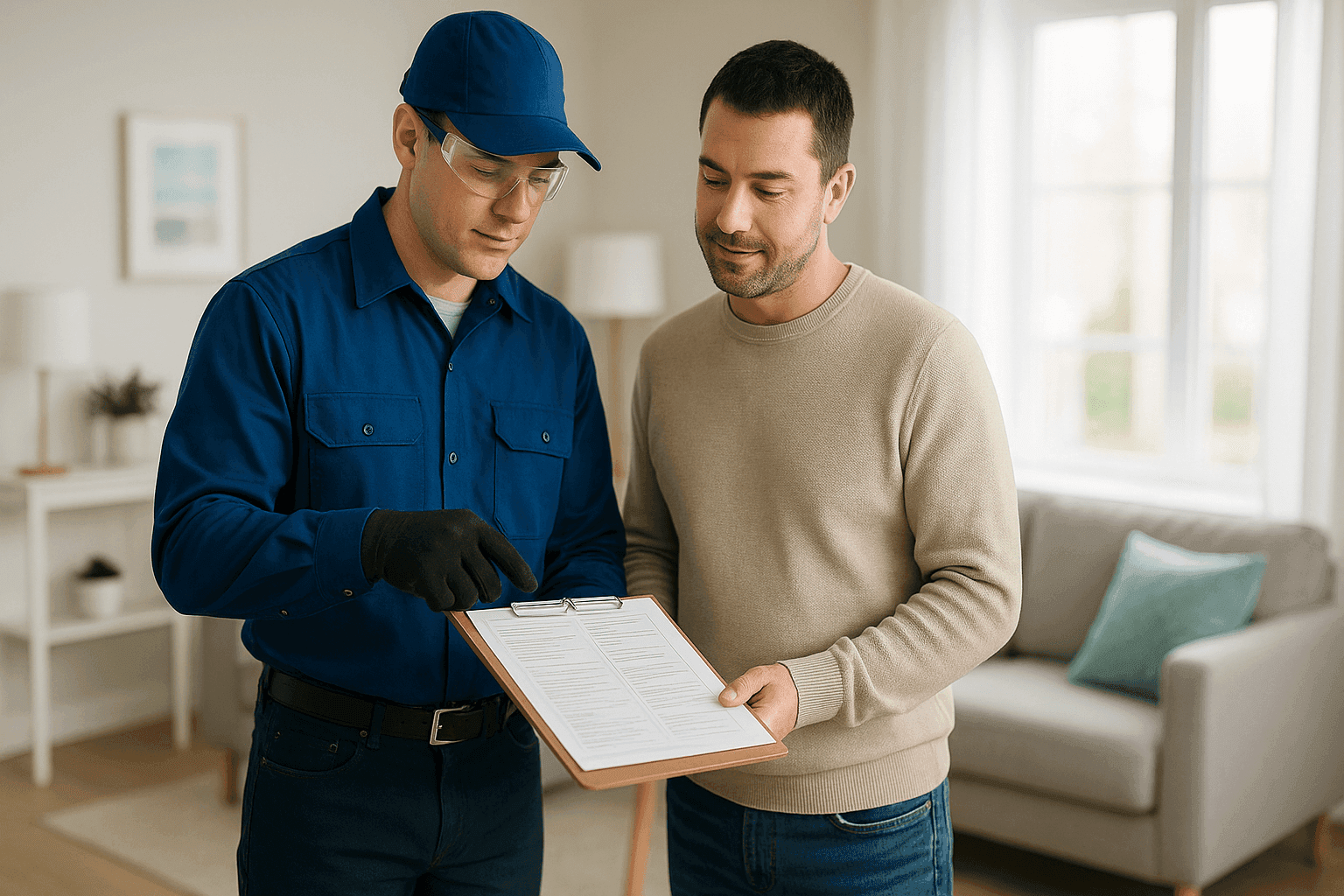
When your kitchen faucet starts leaking or your basement sump pump fails, finding a plumber you can trust feels urgent. Maybe it’s a slow drip, or maybe water’s pooling fast where it shouldn’t. Either way—the clock is ticking, and your home is on the line.
But how do you know you’re letting the right person through your front door? At F L A Plumbing, we’ve seen too many homeowners pay for work that leaves them with more headaches than solutions. Let’s make sure you’re not one of them.
Why Careful Hiring Matters
Picking a plumber isn’t like choosing a new toaster. Your pipes, water, and even gas lines are the backbone of your home’s safety. A mistake can lead to costly repairs, property damage, or even health hazards.
Think of hiring a plumber like picking a pilot for your plane: experience, training, and trust are non-negotiable. The right questions help you land safely.
Quick Safety Checklist 🛠️
Before signing any paperwork or handing over your keys, run through this basic list:
- License & Credentials: Ask to see proof of state licensing for plumbing work.
- Insurance: Confirm liability and worker’s compensation coverage.
- References: Request recent customer contacts or reviews.
- Written Estimate: Never settle for a verbal quote alone.
- Warranties: What’s covered—and for how long?
- Code Compliance: Will the work meet current local plumbing codes?
- Emergency Plumbing Near You: Can they respond quickly in a crisis?
DIY vs. Call a Pro
Some plumbing fixes look easy—until they aren’t. A leaky faucet might tempt you to grab a wrench. But for hidden leaks, gas line installations, backflow testing, or sewer repairs, DIY can turn a drip into a disaster.
When to DIY:
- Minor clogs (with a plunger)
- Replacing showerheads or faucet washers
- Clearing visible hair from drains
When to Call F L A Plumbing:
- Water stains on ceilings or walls (hidden leak)
- No hot water or gurgling boiler
- Sewer odors or persistent slow drains
- Gas smells or shut-off valve concerns
If you’re not sure, the rule of thumb: if it’s behind a wall, under a floor, or smells like gas—call a pro.
What Pros Do On Arrival
A reputable plumber’s first step isn’t reaching for tools—it’s assessing the scene. Here’s what to expect:
- Thorough Inspection: They’ll check the full system, not just the problem spot.
- Clear Communication: You’ll get a plain-English explanation of the issue and options.
- Transparent Estimate: Itemized, with labor, materials, and any permit fees.
- Safety Checks: Especially for gas, sewer, or backflow work.
- Respect for Your Home: Shoe covers, drop cloths, and prompt clean-up.
Prevention & Maintenance
An ounce of prevention is worth a pound of repairs. Regular plumbing checkups catch small issues before they flood your basement or hike up your water bill. Consider:
- Annual backflow testing (required in many areas)
- Routine sump pump checks, especially before rainy seasons
- Water pressure monitoring to prevent pipe bursts
- Drain cleaning to avoid blockages
- Gas safety checks for peace of mind
Refer to local building codes (such as those from the International Association of Plumbing and Mechanical Officials) for specific maintenance guidelines.
Costs & Time Factors
No two plumbing jobs are the same. Simple repairs—like unclogging a toilet—take less time and cost less than, say, repiping an older home or installing a new water heater.
What affects price and timing?
- Emergency Plumbing Near You: After-hours and urgent calls often carry higher rates.
- Parts Needed: Special-order fixtures or rare pipe sizes may add days.
- Hidden Damage: Mold, rot, or prior DIY mistakes can increase costs.
- Permitting: Some repairs require city permits, adding time.
Always ask for a time estimate and a breakdown of all expected costs before work begins.
Spotting Red Flags: What to Watch For
Not all plumbers are created equal. Watch out for these warning signs:
- No license or insurance: A deal-breaker.
- Cash-only demands: Could signal tax evasion or unreported work.
- Vague estimates: “It’ll cost whatever it costs” isn’t an answer.
- Pushy upselling: Unnecessary replacements or scare tactics.
- Sloppy appearance or tools: Professionalism counts, even in muddy boots.
When It’s an Emergency
Picture this: Water pouring from your ceiling at midnight. You need help—fast. Emergency plumbing near you isn’t just a convenience; it’s a necessity.
What to do:
- Shut off the main water supply (know where it is).
- Call a licensed plumber who offers 24/7 emergency service.
- Ask how soon they can arrive—and what to do while you wait.
Remember, a true professional will walk you through basic safety steps over the phone before arriving.
FAQ: Your Top Plumbing Questions
How do I verify a plumber’s license?
Ask for their license number and check with your state’s licensing board. Most states have online verification tools.
Is insurance really necessary?
Absolutely. It protects you from liability if a worker is injured or your property is damaged—no exceptions.
How long should plumbing repairs take?
Minor repairs may be same-day. Bigger jobs—like sewer line replacement—can take several days, especially if permitting is involved.
What’s covered under a plumbing warranty?
Coverage varies. Always get warranty details in writing, including what’s excluded (like damage from neglect).
Local & Seasonal Considerations 🚿
Home plumbing needs shift with the seasons. In colder climates, pipes can freeze and burst—so pre-winter inspections matter. Heavy spring rains? Sump pumps and sewer lines work overtime.
Ask your plumber:
- What’s the most common seasonal issue in your area?
- Do they offer preventative maintenance before storms or freezes?
- Are parts and materials rated for local weather extremes?
Final Thoughts: Take Your Time, Ask the Right Questions
Don’t rush. Choosing a plumber is about protecting your family’s comfort, safety, and investment. Ask questions, expect clear answers, and never settle for less than professionalism and respect.
Call F L A Plumbing now — or reach us anytime at 888-861-5904 .