Leak Detection: How to Find & Stop Hidden Plumbing Leaks
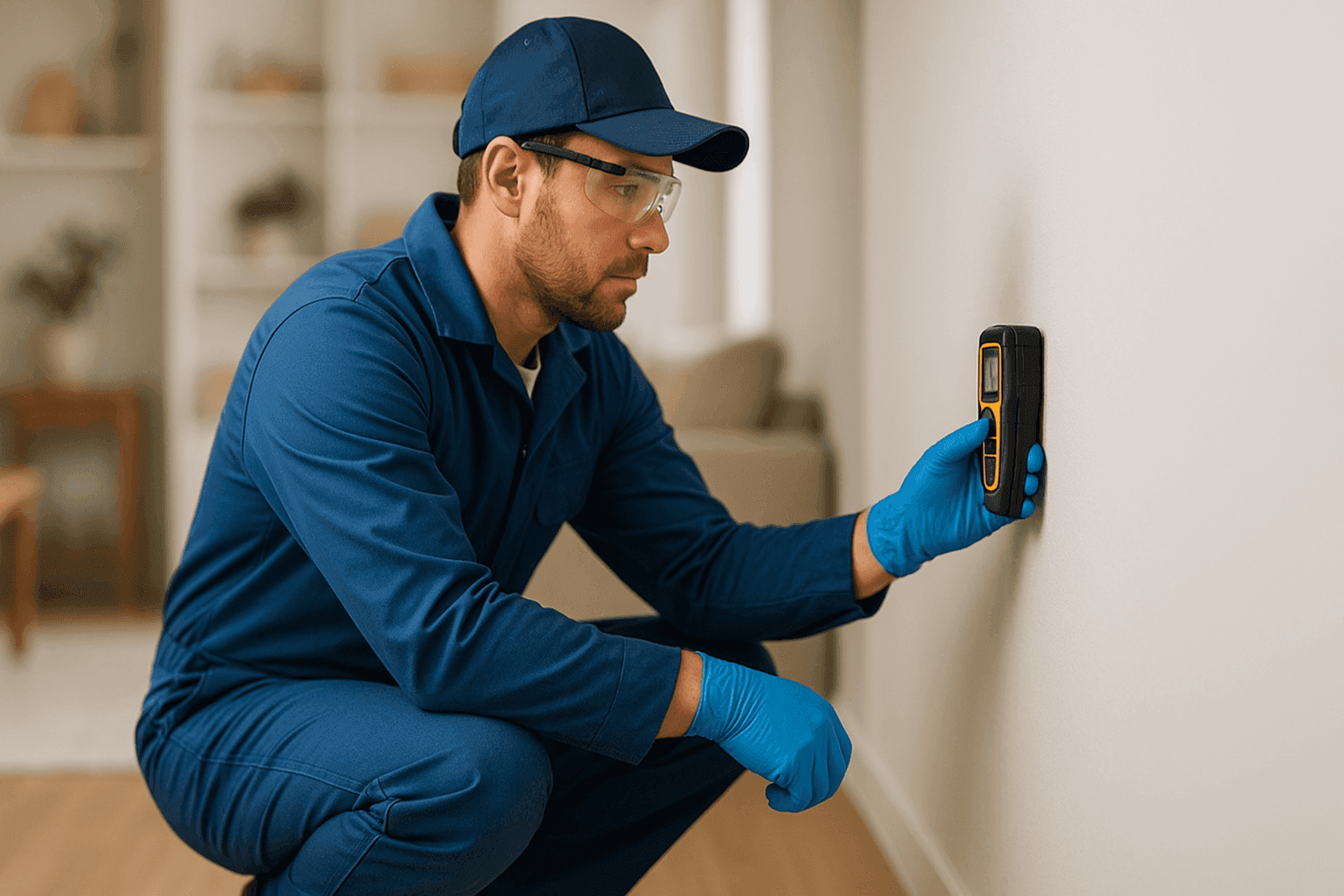
Hidden leaks are like termites. Quiet. Out of sight. But left alone, they chew away at your peace of mind—and your home’s structure. One day, you spot a stain on the ceiling or catch a whiff of something musty. Suddenly, you’re wondering: is there water sneaking through your walls?
At F L A Plumbing, we know how overwhelming hidden plumbing leaks can be. Water damage can spread fast. Mold can follow. Quick action matters, but many leaks hide in places homeowners rarely look. Let’s break it down, step by step—what to watch for, what you can do, and when to call for Emergency Plumbing near you.
Spotting the Signs: Clues That Water Is on the Loose 🕵️
Leaks don't usually announce themselves. It’s more like a game of hide and seek, and the water is winning. Here’s what to look out for:
- Water stains: Yellow, brown, or copper-colored spots on ceilings and walls.
- Musty odors: Persistent damp smells, especially in basements or bathrooms.
- Peeling paint or wallpaper: Bubbling, flaking, or warping on walls.
- Visible mold or mildew: Black, green, or white patches, often near baseboards.
- Soft or warped floors: Laminate, wood, or tile that suddenly feels “spongy.”
- Unexplained water bills: Spikes in usage with no change in your routine.
- Dripping sounds: Even when all taps are off, you hear water moving or dripping.
These are the red flags. Ignore them, and you could be looking at bigger repairs down the road.
Where Do Hidden Leaks Lurk? Common Sources Inside Homes
Some leaks are right out in the open—like a dripping faucet. Others are trickier. Here’s where we find the most hidden trouble:
- Under sinks and behind cabinets: Think kitchen and bathroom plumbing.
- Behind walls: Pipes serving showers, tubs, or radiators.
- Beneath floors (slab leaks): Especially in older homes with concrete foundations.
- Basements and crawl spaces: Sump pump failures, old drain lines, or foundation cracks.
- Ceilings below bathrooms or laundry rooms: Leaky supply lines, overflows, or vent pipe issues.
- Around appliances: Water heaters, dishwashers, ice makers.
If you suspect a leak, start your search in these areas.
Quick Safety Checklist: Before You Investigate
Water and electricity don’t mix. Before you poke around, run through this checklist:
- Turn off power to areas where you suspect leaks (especially near outlets or appliances).
- Wear rubber-soled shoes if you’ll be near puddles or damp floors.
- Shut off the main water valve if you find active spraying or pooling.
- Keep kids and pets away from affected rooms.
- Have towels, a bucket, and a flashlight handy.
If you spot mold, avoid disturbing it—some types can pose health risks. The CDC recommends professional cleanup for larger or persistent mold problems.
DIY Leak Checks: What You Can Try at Home
Curious if you can pinpoint a leak yourself? Sometimes, yes. Here’s how:
Step-by-Step DIY Leak Check
- Check your water meter
- Turn off all faucets and appliances that use water.
- Watch the meter. If it’s spinning, water is moving somewhere.
- Look for visible clues
- Open cabinets, check under sinks, and inspect around toilets and tubs.
- Feel around pipes for dampness—use a tissue to spot moisture you can’t see.
- Listen carefully
- Quiet the house. Listen for hissing, dripping, or water movement behind walls.
- Toilet dye test
- Drop food coloring in the tank—wait 30 minutes. If color appears in the bowl, the flapper may be leaking.
- Examine exterior hoses and spigots
- Leaks here can run down foundation walls and cause hidden damage.
Limitations of DIY
DIY checks are like looking for footprints in the snow. You might spot the obvious, but hidden leaks require tools and experience. If you find anything suspicious or aren’t sure, bring in a licensed plumber. Quick fixes can’t always stop long-term damage.
When Should You Call a Professional Plumber?
Some leaks move fast. Others trickle along for weeks, quietly rotting wood or drywall. Call F L A Plumbing if:
- You can’t find the source, but signs of water are obvious.
- Water stains keep growing, no matter what you try.
- You smell mold, but can’t see where it’s coming from.
- A pipe is actively leaking or spraying.
- Appliances or fixtures show signs of rust or corrosion.
- You notice a sudden drop in water pressure.
Professional plumbers use advanced leak detection tools (more on this below) and can dig deeper—without tearing up your whole house.
How the Pros Track Down Leaks: Tools & Techniques 🔎
When old-school guesswork isn’t enough, plumbers show up with specialized gear. Here’s what’s in our toolkit:
Advanced Detection Tools
- Acoustic listening devices
These pick up the faint sounds of water moving behind walls or under floors. - Infrared cameras
We see temperature changes caused by moisture, even through drywall. - Moisture meters
Pinpoint the exact damp spot in walls, ceilings, or floors. - Video pipe inspection
Small cameras snake through pipes to spot blockages, cracks, or breaks—especially in drains or sewer lines. - Gas tracer systems
For especially tricky leaks, a safe gas is injected and traced as it escapes.
These tools let us find leaks with minimal mess, saving you time and limiting repairs to only what’s truly needed.
What Happens When the Plumber Arrives?
Expect a thorough, systematic approach:
- Visual inspection: We check all the usual suspects and any areas you’ve flagged.
- Non-invasive testing: Using acoustic, infrared, or moisture tools.
- Testing fixtures: Toilets, sinks, tubs, and appliances are checked for leaks or faulty parts.
- Pipe pressure tests: For hidden supply line issues.
- Clear explanation: We’ll show you what we found, what’s next, and answer your questions.
A good plumber aims to leave your space as undisturbed as possible, focusing repairs only where they’re needed.
Why Early Action Matters: Risks of Ignoring Leaks ⚠️
Letting water leaks linger is like ignoring a tiny crack in your windshield. Sooner or later, it spreads.
- Structural damage: Wood rot, crumbling drywall, buckling floors.
- Mold and mildew: Health risks, especially for kids or those with allergies.
- Higher utility bills: Even small leaks waste gallons a day.
- Pest problems: Dampness attracts insects and rodents.
- Insurance headaches: Many policies exclude damage from long-term leaks.
The longer you wait, the more expensive—and disruptive—repairs can get. The EPA and IICRC both stress the importance of rapid response to water damage.
Prevention & Maintenance: Keeping Leaks at Bay
You can’t stop every leak, but a few habits help:
- Inspect under sinks and around appliances every month.
- Replace worn supply hoses on washing machines and dishwashers every 5 years.
- Know where your main water shut-off valve is.
- Schedule annual plumbing inspections.
- Install water alarms near hot water heaters and sump pumps.
- Insulate pipes before winter to prevent freezing and bursting.
A little attention now can save a lot of trouble later.
Costs & Time Factors: What to Expect
Leak detection and repair costs can vary. Here’s what drives the numbers:
- Location of the leak: Accessible leaks (under a sink) cost less; slab or wall leaks require more labor.
- Extent of damage: The sooner you catch it, the less you’ll spend on repairs.
- Type of repair: Patching a pipe is different from replacing drywall or flooring.
- Tools needed: Advanced detection adds a bit, but often saves on unnecessary demolition.
Most professional leak detections take 1–3 hours. Repairs might be immediate or scheduled, depending on what’s found.
When It’s an Emergency: Act Fast 🚨
Some leaks can’t wait:
- Active spraying or flooding
- Water near electrical panels or outlets
- Major drops in water pressure
- Sewage odors or backups
Shut off the main water supply immediately. Then call for Emergency Plumbing near you. Every minute counts—water can start damaging wood and drywall in as little as an hour.
FAQ: Hidden Plumbing Leaks
How do I know if a leak is behind my walls?
Look for stains, peeling paint, musty smells, or soft drywall. A sudden drop in water pressure can also be a clue.
Is a small leak really a big deal?
Yes. Even a slow drip can cause mold and rot. Over months, it adds up to gallons wasted and real structural problems.
How often should I have my home checked for leaks?
Annually is a good rule. If your home is older or you’ve had plumbing work done, consider more frequent checks.
Can I fix a hidden leak myself?
Sometimes, if it’s accessible and minor (like a loose fitting under a sink). But hidden leaks usually need pro tools to find—and to fix safely.
Local & Seasonal Considerations: What Homeowners Should Know
Certain times of year bring special risks:
- Winter: Frozen pipes are a top cause of hidden leaks. Insulate pipes in unheated spaces.
- Spring: Thawing ground can shift pipes, especially in basements and slabs.
- Storm season: Heavy rain can overwhelm sump pumps and expose foundation leaks.
- Older homes: Galvanized or polybutylene pipes are more prone to hidden breaks.
Stay ahead of the seasons. A little preparation can keep your home dry year-round.
Don't let a hidden leak turn into a major headache. If you’re seeing signs, or just want peace of mind, Call F L A Plumbing now — or reach us anytime at 888-861-5904 .